We build pools where other builders won't dig.
Eastern North Carolina's coast means caving sandy soil, water tables two feet down, hurricane-rated wind loads, and salt air that eats cheap equipment in a season. We've spent 17 years solving those problems.
One crew became three. The promise stayed the same.
Founded in 2009 with one crew and a single backhoe, Infinity Pool & Spa grew the way most good things grow on the coast — by word of mouth. Two-thirds of our work still comes from referrals.
The person who shakes your hand at the estimate is the person standing in the hole on dig day. That hasn't changed, and we intend to keep it that way. Three crews now, still one standard.
What "built-for-the-coast" means

Dewatering plans
Standard on every build
Well-point systems and continuous pumping keep the excavation dry so steel and gunite are set in solid conditions — not mud.

Hydrostatic relief valves
Standard
Installed in every shell to equalize groundwater pressure and prevent the pool from popping out of the ground if it's ever drained.

Salt-rated equipment
Standard
Marine-grade stainless hardware, sealed pumps, and titanium heat exchangers that survive salt air and salt-chlorinated water season after season.

Wind-rated anchoring
Standard
Shells and decks are tied together and anchored to meet coastal wind load requirements — engineered for hurricane-force gusts, not just fair weather.

CAMA/floodplain permitting
Included
We handle CAMA reviews, FEMA floodplain development approvals, and county permits in-house — so jurisdictional paperwork never stalls your dig.

Post-hurricane inspections
Free — first 2 years
After any named storm in our service area, we inspect your pool, shell, deck, and equipment at no charge. If something shifted, we find it before it worsens.
Five stages, no surprises
 1
1Design & Quote
We walk your yard, review your vision, and deliver a fixed-price written quote within a week.
 2
2Permits & Engineering
We handle county permits, CAMA reviews, engineered structural drawings, and utility locates.
 3
3Dig & Shell
Excavation, steel, plumbing, and shell — with dewatering if the water table says hello.
 4
4Decking & Finish
Coping, decking, interior finish, tile, and equipment installation. Weekly photo updates throughout.
 5
5Startup & Pool School
We fill it, balance the chemistry, teach you everything, and come back for a 30-day check.
Why building a pool on the coast is different
Eastern North Carolina's shoreline brings soil, water, and permitting conditions that most inland builders never face. Here's what makes a coastal build different — and how we solve each one.

Sandy, Unstable Soil
The challenge
Coastal NC sits on loose sand and fill that slumps and caves during excavation. Walls collapse inward, excavations shift, and standard pool designs fail to hold geometry.
How we solve it
We use steel-reinforced gunite shells, wider footer pours, and battered excavation walls engineered for sandy strata — so the hole stays open and the shell stays true.

High Water Tables
The challenge
In Wrightsville Beach, Carolina Beach, and low-lying mainland areas, groundwater can sit just 18–36″ below grade. Dig a pool and the hole fills with water before steel is set.
How we solve it
Every build includes a dewatering plan and hydrostatic relief valves. When needed, we run well-point systems to draw down the water table during construction.

Floodplain & CAMA Permitting
The challenge
Much of the coast falls under FEMA flood zones and CAMA Areas of Environmental Concern. Permits require elevation certificates, floodplain development approvals, and setbacks — a process that can stall a build for months if handled poorly.
How we solve it
We pull the county permits, CAMA reviews, and floodplain approvals in-house. We know the jurisdictions, the inspectors, and the documentation — so the paperwork doesn't delay your dig.

Storm Surge & Wind Loads
The challenge
Hurricane-driven surge and wind loads can lift shells, flood equipment, and crack decks that aren't engineered for coastal forces.
How we solve it
Our shells are tied into the deck, equipment is elevated above base flood elevation, and anchoring meets wind-rated specs. Post-hurricane inspections are free for the first two years.
Know your zone before you dig
Eastern NC soil and groundwater vary by the mile. Click a marker to see what we encounter on site — and how we engineer around it.

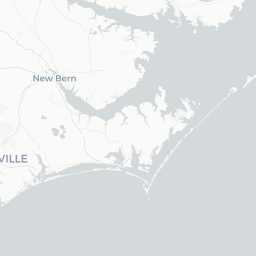








Wilmington / New Hanover
Sandy loam over quartz sand
Moderate
2–4 ft below grade
High
Well-point dewatering almost always required. Shallow aquifer sits above the confining clay layer.
Select a zone
How we dig in sandy soil and high water
Eastern NC soil doesn't behave like inland clay. Here's exactly how we handle sand, groundwater, and the engineering that keeps your pool in the ground for decades.
Building on the coast, explained
Real answers to the questions coastal homeowners ask before they dig — from high water tables to CAMA permits and floodplain rules.
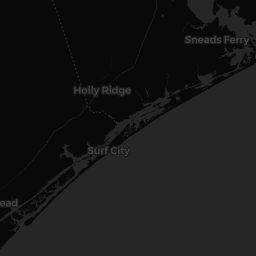
Eastern North Carolina — coast to corridor
Cape Fear
Wilmington, Hampstead, Leland, Wrightsville Beach, Carolina Beach, Burgaw


Topsail & Onslow
Surf City, Topsail Beach, Sneads Ferry, Jacksonville, Holly Ridge


Crystal Coast
Morehead City, Beaufort, Emerald Isle, Swansboro, Newport


Inner Coastal Plain
New Bern, Greenville, Kinston, Wallace, Whiteville